


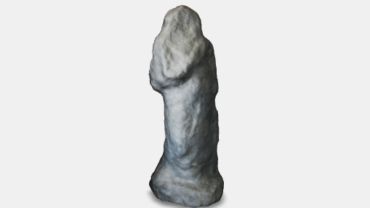
The statue is barely roughed out, therefore its identification is particularly problematic. However, it is possible to perceive the silhouette of the figure that in some ways recalls the statue type known as Pudicitia. This popular type was used mainly to represent iconic female figures…
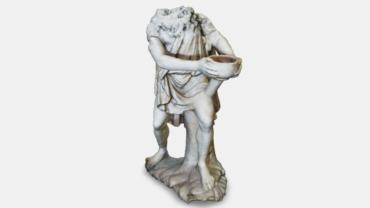
The statue was found in the submerged Imperial Nymphaeum of Punta Epitaffio in January 1969, following a storm surge. Along with the statues of Polyphemus (now lost) and Ulysses’ companion with the wineskin, they were part of the decoration of the apse in the building…
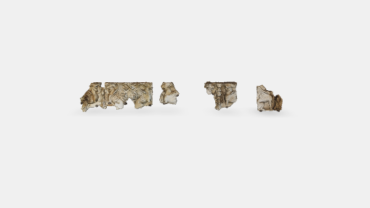
A long frieze in white marble with bluish veins, featuring a series of facing griffins, was found in numerous fragments in 1924 among the remains of the sunken imperial palace in the waters of the port of Baia. The architectonic decorations adorned the upper part…
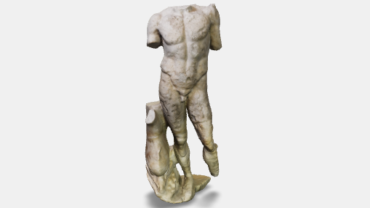
A male statue in white marble, accompanied by a dolphin serving as a support: it is a representation of the god Neptune found in the waters of the port of Baiae. The arms and the left foot were missing, but not the head, as it…
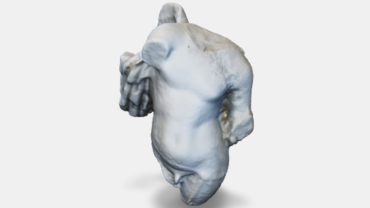
Found during the beginning of the 1920s in the waters of the port of Baia, among the remains of the sumberged imperial palace, this torsetto of Cupid in white marble – with the head, the right arm, the left forearm, the right leg and part…
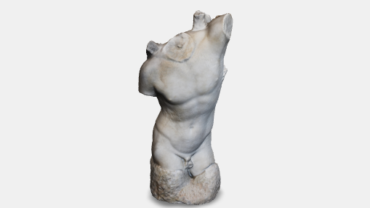
Recognisable as Cupid thanks to the wings, this great torso in marble, with the head and the limbs missing and heavily corroded by lithodomes in the back, was found at the beginning of the 1920s on the seabed of the port of Baia, among the…
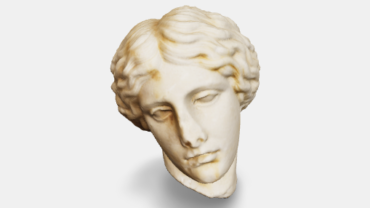
The head of an Amazon made of Pentelic marble – found at the beginning of the 1920s in the port of Baia among the remains of sunken structures belonging to the Imperial palace – was a Julio-Claudian copy of a Greek original that was very…
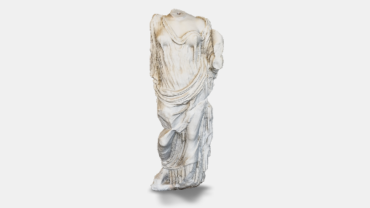
Statue without the head, a part of the neck, the right arm, the left forearm and the left foot, found in 1923-1924 in the waters of the port of Baia among the submerged remains of the imperial palace. The sculpture – a version of the…

Antonia Minor, Augustus’ niece, mother of Germanicus and Claudius, was a powerful and influential woman from the Julio-Claudian dynasty. Her statue, discovered at the bottom of the Underwater Imperial Nymphaeum of Punta Epitaffio during underwater excavations at the beginning of the 1980s, was inspired by…

The statue of Ulysses’ companion was found in the submerged Imperial Nymphaeum of Punta Epitaffio in January 1969, following a storm surge. Along with the statues of Polyphemus (now lost) and that of the Homeric hero, they were part of the decoration of the apse…

This valuable sculpture group, created in the Imperial age according to a Hellenistic model, is probably related to a Rhodian statue from the II century A.D and depicted a Cupid on the lap of the goddess Psyche seated on a rock; Cupid is gently touching…

The gold coin of Justinian was found in 1969 inside the submerged Imperial Nymphaeum of Punta dell’Epitaffio, during the recovery operations of the statues of Ulysses and his companion with a wineskin. Dating back to the VI century A.D., for a long time it was…